




When you think of modern home planning, it's not just about what things look like. It's more about how they feel and how they work in real life. A space you live in can be stunning, but if it doesn't make the day a little easier or more comfortable, it will lose its charm.
Modern homes are about balance - clean lines, natural light, and useful details that actually make sense. The goal is not perfection. The goal is to create a place that suits your life, not the other way around.

Homes That Work the Way You Live
In the past, design was mainly about decorating. People chose matching sets, fancy wallpapers, and tried to make every room look “done”. Today, it’s different. The best spaces are the ones that evolve with you — flexible and comfortable.
The kitchen isn’t only for cooking anymore. It’s a spot to talk, to work, to pour coffee on a quiet morning. Living rooms often double as workspaces or play zones. And bedrooms? They’ve become small sanctuaries for rest, not storage rooms.
Good design makes daily life easier. That’s the absolute luxury.
Simplicity Feels Like a Breath of Fresh Air
If you’ve ever walked into a space that instantly calmed you down, chances are it wasn’t crowded. Modern interiors lean on simple shapes, neutral tones, and a few pieces that make a statement without shouting.
It’s not about removing personality — it’s about letting each piece breathe. Maybe it’s a linen sofa with soft curves, or a rough wood coffee table that looks like it’s been in the family for years. This quiet confidence feels far more sophisticated than a room filled with decoration.
The Way Light Shapes Everything
Light changes everything. A room with good natural light feels alive even before you add any furniture. Big windows, open curtains, light floors — all these details help the space expand visually.
At night, layers of light — a ceiling lamp, a reading light, a soft glow from a corner — make the atmosphere warm and genuine. Designers often say light is the “fourth wall” of a room, and it’s true. Without it, nothing works quite right.

The Power of Materials and Texture
Modern design is often described as “minimal”, but it’s not empty. The beauty comes from how materials play together. Smooth marble against rough linen, matte metal next to soft velvet — that’s where depth comes from.
A well-chosen texture can make a space feel rich even when there’s not much in it. And materials that age nicely — like oak, leather, or stone — add character over time. A good home should look better the longer you live in it.
Furniture That Does More Than One Job
If there’s one thing that defines today’s interiors, it’s smart furniture. Pieces aren’t just pretty; they work. Sofas that turn into guest beds, extendable dining tables, shelves that hide storage — it’s all part of making spaces do more with less.
But functional doesn’t mean boring. The best pieces feel like design statements while staying practical. That balance between art and comfort is what sets modern homes apart.
The Italian Secret to Effortless Style
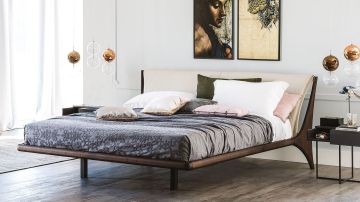
Some of the best examples of this approach come from Italy. Modern Italian furniture is popular for a reason — it’s stylish without trying too hard. There’s a sense of ease in the proportions, a focus on comfort, and an attention to materials that you can actually feel.
You will notice how a simple dining chair has a sculptural look or how a modular sofa can redesign the energy of the room. Italian design does not chase trends but sets them. This is the reason why modern Italian furniture is a perfect fit in contemporary spaces throughout the world. This brings a sense of quiet trust that never goes out of style.

Making Function and Beauty Work Together
You don’t need a designer budget to find balance at home. Sometimes it’s about a few minor changes that shift the whole mood of the space.
1. Start With How You Actually Live
Think about your routine — where you drink coffee, where you drop your bag when you walk in. Design around those real moments.
2. Less Furniture, Better Furniture
Instead of filling every corner, choose fewer but higher-quality pieces. One beautiful armchair says more than three average ones.
3. Mix Materials and Erase the Rules
Wood with metal, glass with fabric — don’t overthink it. The mix gives life to the space. Just keep a few tones consistent so it doesn’t feel random.
4. Light for Every Mood
Layer your lighting: one for work, one for relaxing, one just for atmosphere. You’ll feel the difference instantly.
5. Choose What Lasts
Fast furniture looks tempting, but it rarely holds up. Well-made pieces — like modern Italian furniture — feel better, age beautifully, and stay relevant through trends.

The Quiet Side of Sustainability
Modern design has also become more thoughtful. People care where materials come from and how things are made. Sustainability isn’t a buzzword anymore — it’s just part of good design.
Buying fewer and better things, choosing natural textiles, and avoiding wasteful trends not only make the house greener but also calmer. You feel when you go in — it's like breathing easier.
When a Home Feels Like You
Finally, the best-designed home does not look like a magazine cover. It looks like you — your rhythm, your memories, your favorite colors and textures. A plant that is constantly growing, a painting from a trip, or a book left on a coffee table — these little things make a home feel alive. So the design should never wipe the character.

Conclusion
Combining function and beauty does not mean that one is chosen over the other. It's about understanding that true beauty always has a purpose. A well-designed home quietly supports your daily life as it makes things easier and more enjoyable.