






When bad weather strikes or temperatures soar to uncomfortable extremes, parents everywhere face the familiar challenge of finding safe, stimulating places where their high-energy toddlers can play and thrive. Indoor play spaces emerge as lifesavers in these moments, offering carefully designed environments where young children can explore, make friends, and channel their boundless energy—rain or shine. These specialized venues focus on supporting the critical developmental milestones that happen during the toddler years through thoughtfully chosen activities and equipment. Parents exploring their local options will discover a rich variety of indoor play environments tailored specifically to young children's needs. Take suburban communities, for instance, where families might discover a thoughtfully designed indoor playground woodbridge featuring secure, enclosed spaces where toddlers can safely climb, slide, and explore using equipment perfectly sized for their developmental stage, all under proper supervision.

Why Indoor Play Matters for Toddlers
Indoor play goes far beyond simple entertainment—it forms a cornerstone of healthy child development. Through unstructured play, toddlers build cognitive abilities, learn to manage emotions, and strengthen their physical capabilities. During these playful moments, children naturally develop gross motor skills by climbing and jumping, refine fine motor control through hands-on exploration, and cultivate social-emotional intelligence by interacting with other children. These protected environments become especially precious during harsh weather spells or when outdoor playgrounds become inaccessible or uncomfortably crowded.
Tip: Seek out venues that maintain separate play zones for toddlers and older children—this thoughtful design creates a more relaxed and secure experience for your little explorer.
Types of Indoor Play Environments for Toddlers
Dedicated Indoor Play Centers
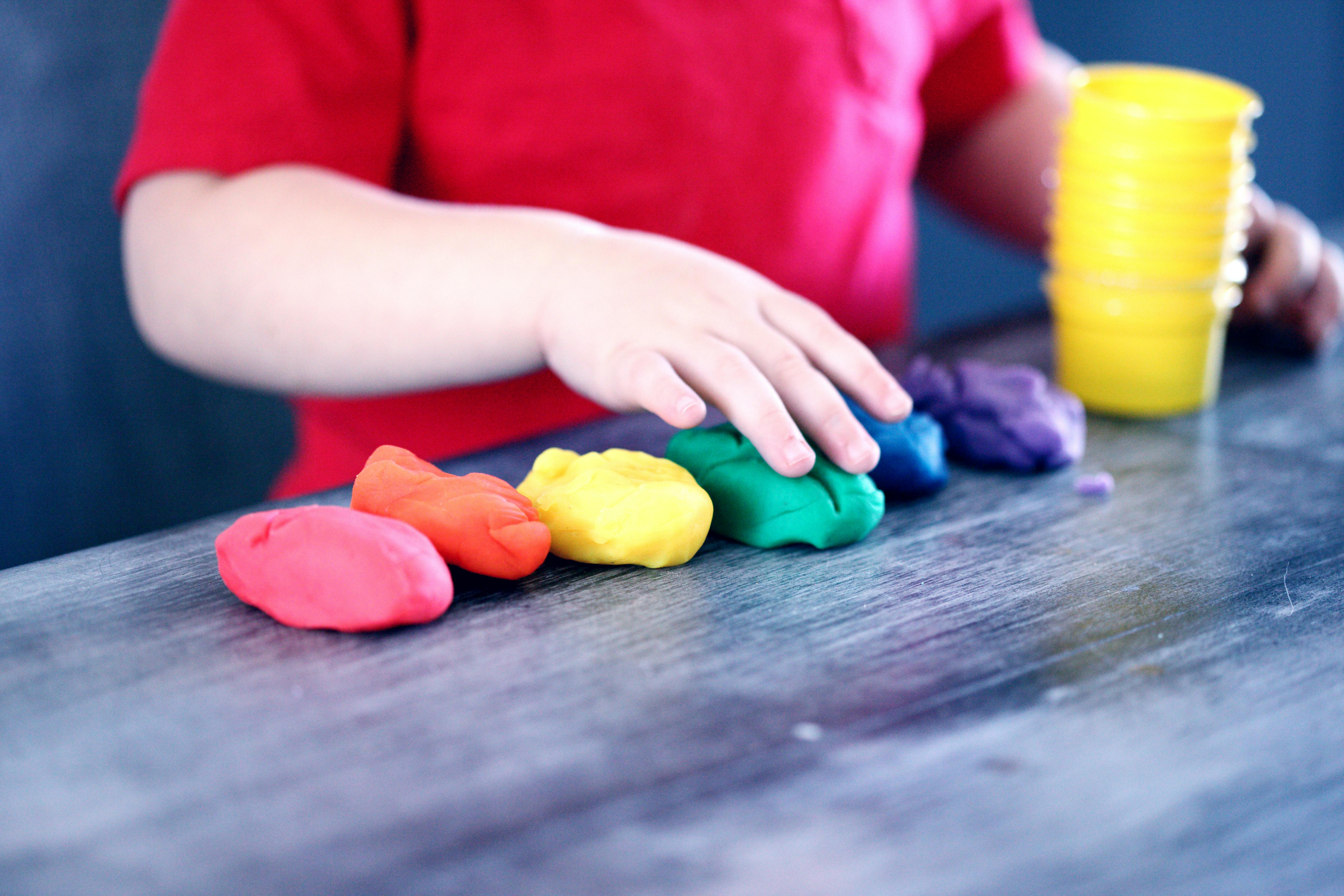 These specially constructed facilities showcase soft play structures, winding tunnels, colorful ball pits, and climbing equipment designed with young children in mind. Safety takes center stage through cushioned surfaces, child-friendly heights, and carefully planned age zones that prevent younger visitors from feeling overwhelmed by older, more energetic children.
Indoor Play at Cafes and Family-Friendly Restaurants
A growing number of restaurants now incorporate dedicated play spaces, creating opportunities for parents to savor their coffee while maintaining visual contact with their active toddlers. Before heading out, take a moment to browse online reviews to verify that the play area maintains high cleanliness standards and truly caters to toddler needs.
Libraries and Community Centers
Local libraries and community centers frequently organize toddler story sessions, hands-on sensory activities, and budget-friendly drop-in playgroups. These organized settings create wonderful chances for social connection and help establish healthy routines for growing families.
Museums and Discovery Centers
Children's museums typically showcase exhibits designed specifically for toddlers, complete with imaginative play zones, tactile exploration tables, and hands-on learning displays. These environments spark creativity while introducing early learning concepts through engaging, interactive experiences.
What to Look for in a Toddler-Friendly Indoor Play Space
Age-Appropriate Equipment
The finest toddler venues showcase equipment scaled perfectly for little bodies—think low slides, manageable climbing structures, and play elements designed with small hands and short legs in mind. Steer clear of locations where toddlers must compete for space with significantly older, more physically capable children.
Safety and Hygiene
Choose spaces that maintain spotless, well-cared-for equipment made from safe, non-toxic materials, with staff members clearly present and engaged. Don't feel awkward about inquiring into their cleaning procedures, particularly regarding frequently touched surfaces and soft play components.
Supervision and Comfort
Quality toddler-friendly venues expect and welcome active caregiver involvement. Search for locations offering comfortable seating with clear sightlines to play areas, convenient restrooms equipped with changing stations, and easy navigation for strollers and diaper bags.
Making the Most of Indoor Play Time
Keep your expectations realistic regarding your toddler's attention span—even in the most exciting environments, most young children engage meaningfully for just 30 to 60 minutes before needing a change of pace. Encourage independent exploration while providing gentle commentary to boost language development. Don't forget to bring along the essentials: snacks, water, spare clothes, and hand sanitizer for those inevitable messy moments.
Wrapping Up
Indoor play deserves recognition as an essential element of your toddler's weekly routine, not simply a backup plan for dreary days. By blending organized activities with opportunities for free exploration, you're nurturing your child's growth across multiple developmental areas. Keep in mind that regular, positive play experiences—whether at home or in specially designed spaces—make meaningful contributions to your toddler's overall development and learning journey.