





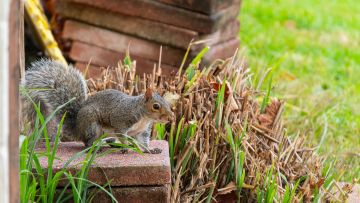
Keeping your home comfortable is hard enough without surprise roommates scratching in the attic or sneaking under the porch, particularly in Mountain Brook. Wildlife problems often start small, then turn into a bigger mess before you know it. The good news is you usually get warning signs early, and a few smart home habits can make a big difference. If you know what draws animals in, what damage they cause, and when to stop playing detective, you can protect your space without turning your house into a fortress.
Why animals move in
Wild animals are not trying to annoy you. They’re looking for the same things you want in a home: shelter, warmth, water, and an easy food source. Your attic, crawl space, garage, or deck can feel like a five-star hotel to a squirrel, raccoon, or mouse.
Season changes often trigger the problem. In cooler months, animals search for warm spots to nest. In spring, they may look for safe places to have babies. A loose vent cover or a gap near the roofline can be all the invitation they need.
Your yard can also play a part. Bird feeders, open trash bins, fallen fruit, and pet food left outside create a buffet. Thick shrubs and tree branches close to the roof give animals both cover and a handy ladder. If your home offers easy access and a snack nearby, wildlife may decide to move in rent-free.
Spot trouble early
You usually won’t see the animal first. You’ll notice clues. A thumping sound in the ceiling at dawn, scratching in the walls at night, or a musty smell that seems to come from nowhere can all point to a wildlife problem.
If you hear repeated noises or find signs around entry points, it may be time to look into wildlife removal services in Mountain Brook for a safer next step. That makes sense when you suspect animals are not just passing through, but settling in.
Other warning signs include droppings in the garage, torn insulation, chewed wires, greasy rub marks near small openings, or nesting material like leaves and paper. Outdoors, look for tipped trash, holes near foundations, or damaged vent screens.
The trick is not to ignore small clues. Wildlife rarely sends a formal introduction. It leaves tiny messes, weird sounds, and that unmistakable feeling that something is up.
Risks to your home
A wildlife issue is not just a creepy noise problem. Animals can damage parts of your home you don’t check every day. Insulation often gets crushed, scattered, or used as bedding. That can lower energy efficiency and make heating and cooling more expensive.
Wiring is another big concern. Rodents chew constantly to keep their teeth in check, and your home’s electrical wiring can become a chew toy. That can create fire hazards or lead to expensive repairs. Ductwork, wood trim, stored boxes, and even drywall may also get damaged.
Then there’s the mess factor. Droppings, urine, and nesting materials can create odors and unhealthy conditions, especially in closed spaces. If an animal gets trapped and dies inside a wall or attic, the smell becomes its own terrible announcement.
Gardens are not safe either. Digging, nibbling, and trampling can undo a lot of yard work in a short time. Cute from a distance, maybe. Cute in your attic, not so much.
Quick fixes that help
You don’t need to panic or buy every gadget in the hardware aisle. Start with simple fixes that remove easy access and obvious attractants. Walk around your home and look for gaps around vents, pipes, soffits, and the foundation. Even small openings matter.
Trim branches that hang over the roof or touch upper walls. They act like wildlife highways. Secure trash can lids, clean up fallen fruit, and avoid leaving pet food outside overnight. If you feed birds, keep the area tidy and watch for spilled seed on the ground.
Check vent covers and screens around crawl spaces, chimneys, and attics. Repair anything loose or bent. Store food, birdseed, and grass seed in sealed containers, especially in garages or sheds.
These steps won’t solve every situation, but they can make your home much less appealing. Think of it as sending a polite message that the inn is full.
When to call help
Some wildlife situations move beyond basic home maintenance pretty quickly. If animals keep coming back after you’ve sealed obvious gaps, there may be a hidden entry point or an active nest you haven’t found.
Baby animals are a major reason to slow down and get help. If a mother has nested in your attic, chimney, or under your deck, rushing the process can separate her from the babies and make the problem worse. Nobody wants a rescue mission inside the walls.
Strong odors, visible droppings in large amounts, staining on ceilings, or sounds from hard-to-reach spaces are also signs that a DIY approach may not be enough. The same goes for animals that seem aggressive, sick, or trapped.
At that point, it’s less about convenience and more about handling the issue safely. The goal is not just getting the animal out. It’s finding the entry point, dealing with contamination if needed, and reducing the chance of a repeat visit.
Make your home less inviting
Long-term prevention usually comes down to steady, boring, useful habits. And boring is good when it comes to wildlife. A quick seasonal check of your roofline, vents, siding, and foundation can catch small problems before animals do.
Keep your yard trimmed and tidy. Dense plants near the house, wood piles against exterior walls, and clogged gutters can all create hiding spots or moisture problems. Wildlife loves damp, quiet places almost as much as it loves easy snacks.
Inside, pay attention to attics, basements, and garages. Look for signs of leaks, torn screens, or strange smells. If you store seasonal decorations or old boxes, give the area a glance now and then. You don’t want a raccoon to become your holiday surprise.
The big takeaway is simple: wildlife problems are easier to prevent than to clean up. If you stay alert, fix small access points, and act early when something seems off, your home will be a lot less tempting to curious critters.