





Hair often changes after age 30 as the body adjusts to new hormonal and lifestyle shifts. Many notice more strands on the brush or a thinner ponytail, which can cause concern. Understanding how to protect hair health early helps slow this process and keeps it stronger for longer.
Simple habits can make a real difference. By focusing on scalp care, gentle styling, proper nutrition, and proven treatments, anyone can take practical steps to reduce shedding and support steady growth. This guide explains effective ways to maintain healthy hair and prevent unnecessary loss.
-
Massage your scalp regularly to improve blood circulation
Regular scalp massage helps move more blood to the hair roots. Better circulation delivers oxygen and nutrients that support stronger, thicker strands. Even a few minutes each day can make a difference in scalp health over time.
A person can use fingertips or a soft brush to apply light pressure in small circles. It is best to start at the front hairline and move slowly toward the back.
Some people also use tools, such as a scalp scrub brush for hair growth, which can remove buildup and dead skin while stimulating the surface. This keeps pores clear and allows new hair to grow more freely.
Consistent massage also helps relax the scalp muscles, which may reduce tension that restricts blood flow. Over time, this simple habit supports a cleaner, healthier scalp environment that encourages natural hair growth.
-
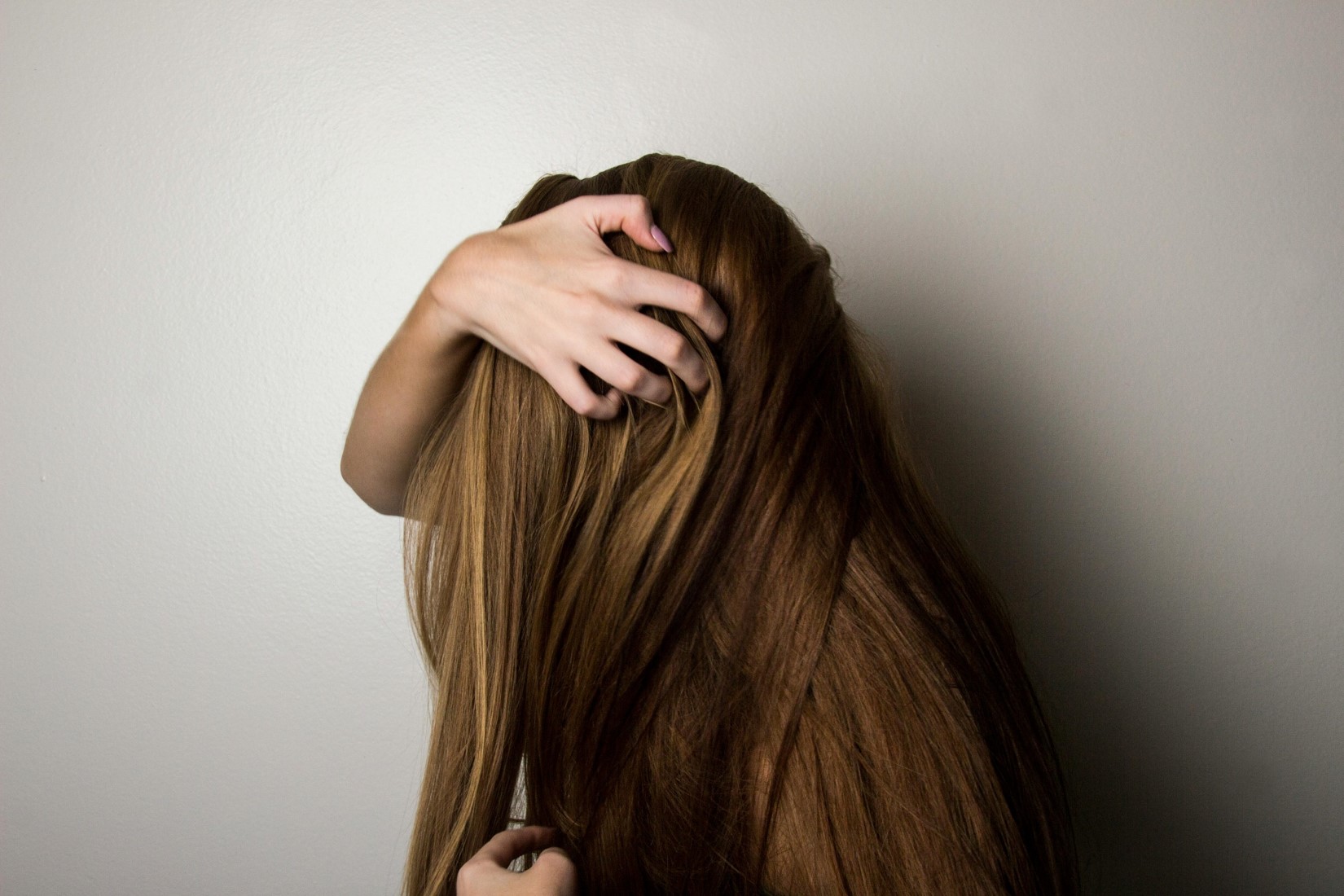
Avoid tight hairstyles like ponytails and braids to prevent breakage
Tight hairstyles can place too much tension on the scalp and hair roots. This constant pull may weaken follicles and lead to hair breakage or thinning over time. Styles such as sleek ponytails, cornrows, and tight braids often cause this problem.
Hair needs room to move and breathe. Looser styles reduce strain on the strands and help maintain strength. For example, a low ponytail or a loose braid can hold hair neatly without pulling it too hard.
Using soft hair ties instead of elastic bands also helps protect the hair shaft. Elastic bands can snag or break strands, especially if wrapped too tightly. A fabric-covered tie or scrunchie creates less friction and keeps the hair healthier.
People who notice soreness or small bumps along the hairline may already have tension damage. Adjusting hairstyles early can prevent further stress and support natural growth.
-
Incorporate biotin supplements to strengthen hair follicles
Biotin, also known as vitamin B7, supports the body’s natural process of creating keratin, a key protein in hair. This vitamin helps maintain strong hair strands and can reduce breakage that leads to thinning. Many people notice improved hair texture after adding biotin to their diet or supplement routine.
Although biotin deficiency is rare, low levels can cause brittle hair or slow growth. Therefore, a daily supplement may help fill nutritional gaps, especially for adults over 30. However, results vary depending on diet, genetics, and overall health.
Biotin occurs naturally in foods such as eggs, nuts, and whole grains. Still, supplements offer a simple way to reach recommended levels without major diet changes. Before starting a supplement, it is wise to consult a healthcare provider to confirm the right dosage and rule out other causes of hair loss.
-
Maintain a balanced diet rich in iron and zinc
A healthy diet supports hair strength and growth. Iron helps carry oxygen to hair roots, which keeps follicles active and reduces shedding. Zinc supports tissue repair and helps oil glands near hair follicles work properly. A lack of either nutrient may lead to dull or thinning hair.
Lean meats, seafood, beans, lentils, and spinach supply iron that the body can use well. Whole grains, nuts, seeds, and dairy also provide smaller amounts that add up over time. Including a mix of these foods helps maintain steady iron levels.
Zinc sources include beef, poultry, chickpeas, and pumpkin seeds. These foods help the body build proteins that form strong hair strands. In addition, pairing zinc-rich foods with protein sources may improve nutrient absorption.
A balanced diet that includes both minerals supports overall wellness and hair health. People who eat a variety of whole foods often notice stronger, fuller hair as a result of better nutrition.
-
Use minoxidil topical treatment to stimulate hair growth
Minoxidil helps slow hair loss and supports regrowth on the scalp. It works by widening blood vessels, which improves the flow of nutrients to hair follicles. Many people notice thicker strands after consistent use for several months.
Experts recommend applying the solution directly to the scalp twice a day. The scalp should be completely dry before use because moisture can reduce absorption. A 5% solution often gives better results for adults over 30.
Consistency matters. Skipping applications can limit progress, while steady use helps maintain new growth. Results may vary, but studies show visible improvement for many users after about four months.
Possible side effects include mild irritation or dryness at the application site. If discomfort continues, users should speak with a healthcare professional. Minoxidil works best as part of a regular hair care routine that supports scalp health and balanced nutrition.
Conclusion
Healthy hair after 30 depends on steady habits and consistent care. Balanced nutrition, gentle products, and stress control each play a direct role in keeping hair strong.
Regular scalp care helps improve circulation and supports new growth. People who notice early thinning can slow the process through simple changes in daily routines.
Each method works best as part of a long-term plan. With patience and attention, anyone can protect hair health and maintain fuller hair over time.