






Fleas can make your cat miserable, and finding the right way to protect an older cat can feel confusing. Flea collars might seem like a simple fix, but senior cats often need special care before you decide what works best. You need to know how a flea collar could affect your senior cat’s health before you use one.
Your cat’s age, health, and daily habits all play a part in whether a flea collar is safe or effective. Learning what to check, what to avoid, and what alternatives exist helps you make a smart choice that keeps your cat comfortable and safe.
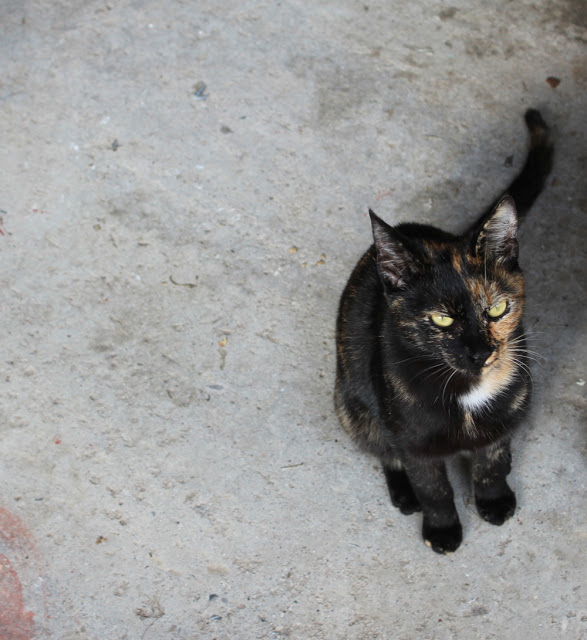
Consult your veterinarian before using any flea collar on a senior cat
Your senior cat’s health may change over time, so consulting a vet before choosing anti-flea treatment is crucial.They may recommend treatments such as a natural collar for cats to prevent bugs or other chemical-free supplements that may be the right choice. Older cats often have more sensitive skin or underlying conditions that affect how they react to flea products. A vet can help you decide what works best for your cat’s age and health.
Some flea collars include essential oils or herbal ingredients that may irritate delicate skin. Your vet can review the ingredient list and check for possible allergies or interactions with other treatments. This step helps you avoid unnecessary discomfort or side effects.
Discuss your cat’s full medical history before starting any flea control plan. If your cat takes medication or has kidney or liver issues, your vet can suggest safer alternatives. Taking this time to ask questions helps you choose a product that protects your cat without adding new health risks.
Avoid flea collars containing permethrin, as they can be toxic to cats
You should avoid flea collars that list permethrin as an ingredient. This chemical is safe for dogs but poisonous to cats. It affects a cat’s nervous system and can cause tremors, drooling, or seizures after contact or grooming. Even small amounts can lead to serious illness.
Permethrin exposure often happens in homes with both cats and dogs. A cat may rub against a treated dog or come into contact with contaminated bedding. Because cats cannot break down permethrin in their bodies, the toxin builds up quickly and causes harm.
Always check the label before buying a flea collar. Look for products made specifically for cats that use safer ingredients such as s-methoprene or pyriproxyfen. These compounds target flea growth without harming your cat.
If your cat shows signs of weakness, shaking, or vomiting after exposure, contact a veterinarian right away. Quick care can prevent long-term damage and help your cat recover.
Consider alternatives like topical treatments or oral medications for sensitive senior cats
Some senior cats have skin that reacts easily to flea collars. In that case, topical treatments or oral medications may be safer choices. These options can help control fleas without adding pressure around your cat’s neck.
Topical treatments spread across the skin’s surface and kill fleas on contact. They are simple to apply and usually last for several weeks. However, you must avoid products that cause irritation or contain harsh chemicals.
Oral medications work through your cat’s bloodstream to stop fleas from biting or reproducing. They often provide long-lasting protection and can be easier for cats that dislike topical products. However, you should talk to your veterinarian before starting any new medication.
Your vet can explain which option fits your cat’s age, weight, and health condition. This step helps reduce side effects and keeps your senior cat comfortable while staying protected from fleas.
Check the cat’s age, weight, and health status before selecting a flea collar
You should always consider your cat’s age before choosing a flea collar. Senior cats often have more sensitive skin and weaker immune systems, so products made for younger cats may cause irritation or discomfort. Look for collars labeled safe for older or fragile pets.
Your cat’s weight also matters because flea collars release chemicals in small doses. A collar meant for a larger cat could deliver too much medication for a smaller or underweight senior. Always read the label and match the collar to your cat’s weight range.
Health status plays a major role as well. Cats with existing medical conditions, such as thyroid, kidney, or liver problems, may react differently to flea treatments. Therefore, talk to your veterinarian before use. The vet can help you choose a collar that fits your cat’s specific health needs and avoids unnecessary risks.
Monitor your senior cat closely for any side effects after applying a flea collar
You should watch your senior cat carefully after putting on a flea collar. Older cats often have more sensitive skin and slower immune responses, so they may react differently than younger cats. Look for signs such as redness, hair loss, or scratching around the neck area.
Behavior changes can also show a problem. If your cat hides more, acts restless, or seems weak, remove the collar and contact a veterinarian. These signs may point to irritation or an allergic response to the chemicals in the collar.
Keep the area around your cat’s neck clean and dry. Check the fit of the collar to make sure it is snug but not tight. A loose or overly tight collar can cause discomfort or skin damage.
If your cat has other health issues or takes medication, ask your vet before reapplying the collar. This step helps avoid unwanted reactions and keeps your senior cat more comfortable.
Conclusion
You should always check your senior cat’s health before using a flea collar. Age often affects how your cat reacts to certain chemicals, so a vet’s advice helps prevent side effects. Some collars may interact with medication or worsen existing conditions.
Choose a product labeled safe for older cats and follow the directions exactly. Never use a collar made for dogs or younger cats, as ingredients and doses differ.
If your cat shows signs of irritation, weakness, or unusual behavior, remove the collar and contact your vet right away. Regular monitoring helps you catch problems early and keep your cat comfortable.
A thoughtful approach protects your cat’s health and keeps fleas under control without unnecessary risk.