





Most home improvement plans start with what people can see. New countertops, fresh paint, and modern fixtures tend to win the budget because they deliver an instant sense of progress. The upgrades that make a house run well every day, however, often sit behind walls, under floors, or outside the back door. These practical improvements rarely get the same excitement, yet they decide how comfortable, safe, and dependable a home feels through every season.
Keeping the Home Running When the Grid Fails
A house can look perfect and still leave its owners stranded when the power goes out during a storm. Without a generator, a long outage means a warm refrigerator, a silent air conditioner, and a home that stops working the moment the lights go dark.
A permanent standby system solves this by switching on automatically whenever utility power drops. Homeowners who want that protection can hire a licensed electrician for generator installation that includes proper sizing, installation to code, Wi-Fi monitoring from a smartphone, and ongoing maintenance to keep the system ready. With that in place, an outage becomes a minor inconvenience rather than a crisis.
Why Practical Upgrades Lose Out to Cosmetic Projects
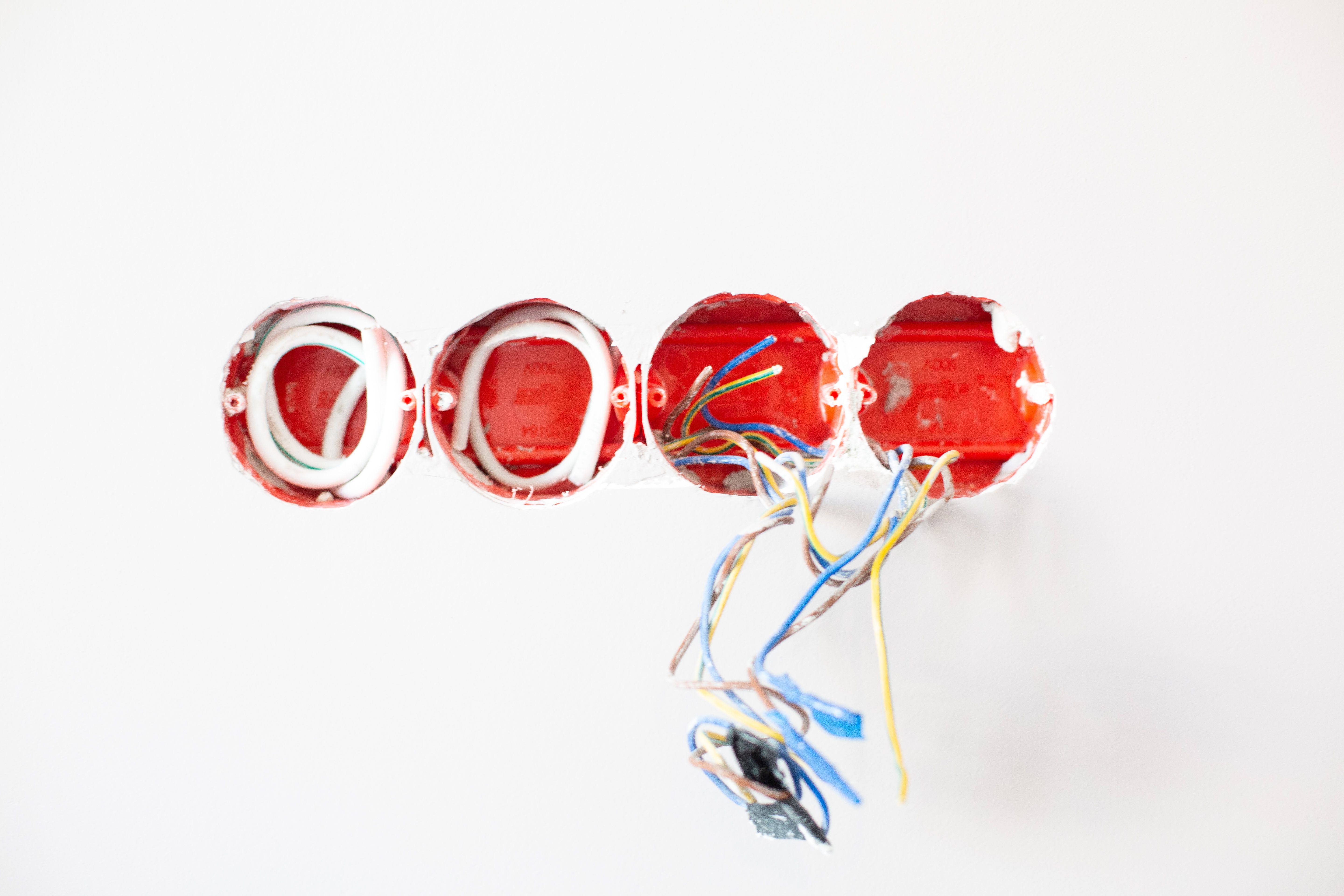
Cosmetic projects are easy to justify because the results are visible the day the work finishes. Practical upgrades work differently. Their value shows up quietly over months and years, often in the form of problems that never happen. A well-maintained electrical system does not announce itself. It simply keeps doing its job, which makes it easy to forget until something goes wrong.
This gap in attention creates a common pattern. Homeowners spend on finishes while older wiring, worn outlets, and overloaded circuits remain in place. When a failure finally arrives, the repair often costs more and causes more disruption than a planned upgrade would have. Shifting even part of a renovation budget toward function can prevent that cycle and protect the cosmetic work already completed.
The Electrical Panel as the Heart of the House
Every light, appliance, and outlet in a home depends on the electrical panel. Many older houses still rely on panels designed for a time when families used far fewer devices. Today, air conditioners, kitchen appliances, home offices, and electric vehicle chargers all compete for the same supply. A panel that cannot keep up may trip breakers often, run warm, or limit what the household can add in the future.
Upgrading or replacing an outdated panel gives the home room to grow. It also makes future projects easier, since new circuits and appliances can be added without straining the system. For homeowners planning a kitchen remodel or a new charger in the garage, the panel is usually the right place to start.
Protecting Electronics From Hidden Damage
Modern homes are filled with sensitive electronics. Televisions, computers, smart thermostats, and even washing machines contain circuit boards that can be damaged by sudden spikes in voltage. Some spikes come from lightning, but many come from everyday sources such as large appliances cycling on and off.
Whole-home surge protection guards against this damage at the point where power enters the house. Unlike plug-in strips, which protect only a few devices, a whole-home system covers every circuit at once. The result is longer life for expensive equipment and fewer unexpected replacements.
Wiring That Matches the Way Families Live Now
Wiring in many homes was installed decades ago, long before households relied on so many devices at once. Aging wiring can become brittle, loose, or unsafe, and it may not include the grounding that modern electronics need. Signs of trouble include flickering lights, outlets that feel warm, frequently tripped breakers, and a faint burning smell near switches.
Rewiring may sound like a major disruption, but it is one of the most valuable investments an older home can receive. It improves safety, supports modern appliances, and often makes a property more attractive to buyers and insurers. Adding dedicated circuits for high-demand appliances is another smart step that reduces strain on the rest of the system.
Outdoor Living and Safe Power Around Water
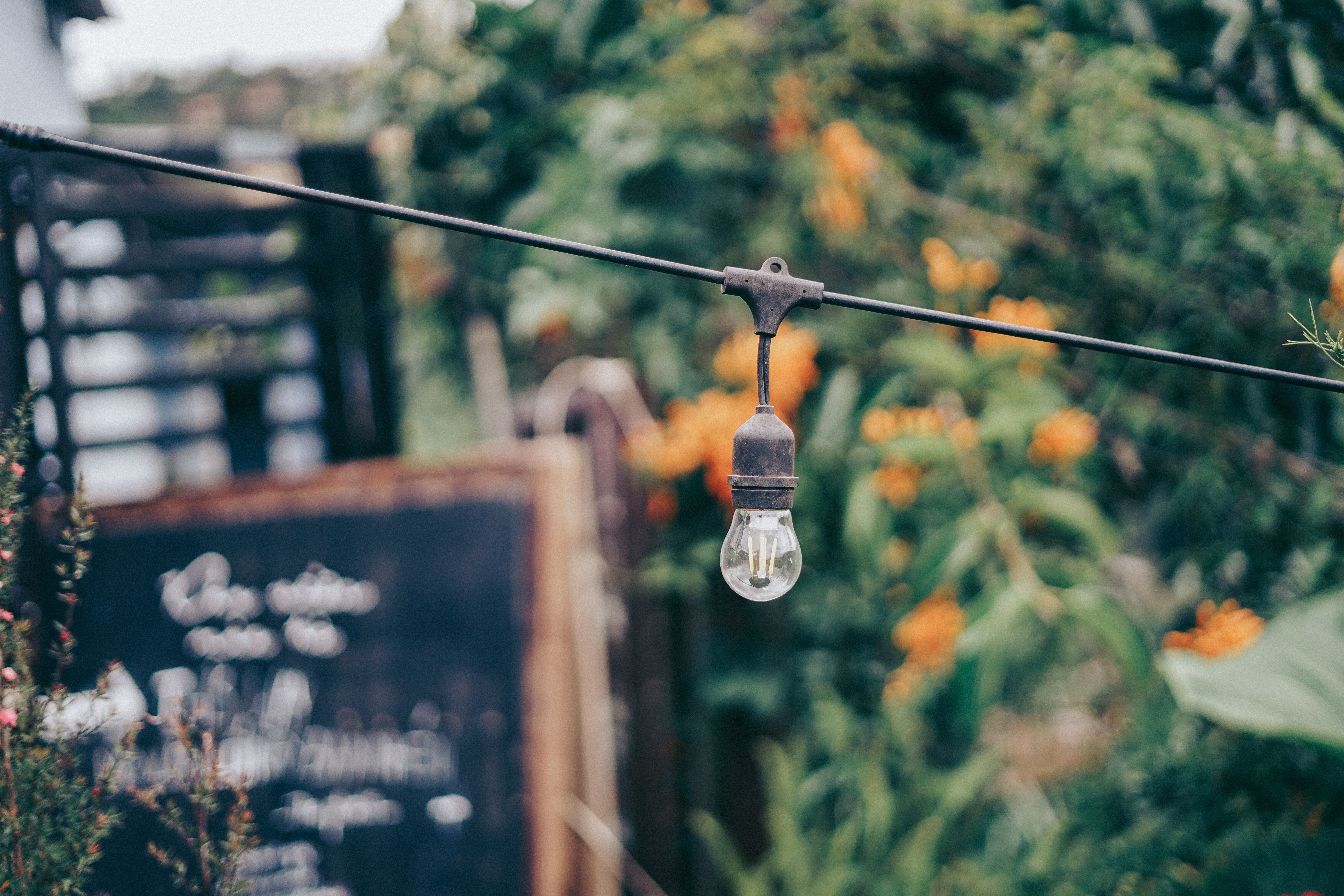
Outdoor spaces have become an extension of the living room. Patios, docks, pools, and hot tubs all add enjoyment, but they also bring electricity close to water, which raises the stakes for safety. Pool pumps, heaters, underwater lights, and dock power all require careful wiring, proper grounding, and the right protective devices.
Well-planned outdoor lighting adds both beauty and security. Pathway lights reduce trips and falls, while fixtures near entrances discourage intruders. Treating outdoor power as a practical upgrade, rather than an afterthought, keeps these spaces safe for family and guests.
Planning Improvements Around Function First
A functional home starts with a clear plan. One useful approach is to list every system the house depends on, from power and cooling to lighting and safety devices, and then note the age and condition of each. This simple review often reveals which upgrades will prevent the most trouble.
From there, homeowners can schedule work in a sensible order. Projects that support others, such as panel upgrades, belong near the beginning. Improvements that protect investments, such as surge protection, can follow. Cosmetic work then comes last, built on a foundation that will not need to be torn open again. A professional electrical inspection can help confirm priorities and catch hidden hazards before they become costly repairs.
Practical improvements may never draw compliments from visitors, but they shape daily life in ways that matter far more. A home that stays comfortable, safe, and dependable in every season is a home that truly works.