




Replacing a roof is one of the biggest maintenance expenses most homeowners face, but planning ahead makes it far more manageable. In Portland, a roof upgrade is not just about appearance. With frequent rain, long damp seasons, and ongoing moisture exposure, your roof is essential to protecting your home from leaks, rot, and structural damage. A realistic budget helps you prepare for actual costs, compare materials wisely, and choose a roofing system that fits both your house and your finances.
What Shapes Your Budget
Several factors have the greatest influence on the cost of a roof replacement. Roof size is one of the most obvious. A larger roof needs more shingles or panels, more underlayment, more labor, and more debris removal, so the total rises quickly with square footage.
Material choice also affects price in a major way. Asphalt shingles are usually the most affordable and remain popular because they offer solid protection with a lower upfront cost. Metal roofing and other premium materials cost more at the start, but they often last longer and may require less maintenance or fewer replacements over time. That means the cheapest option today may not deliver the best long-term value.
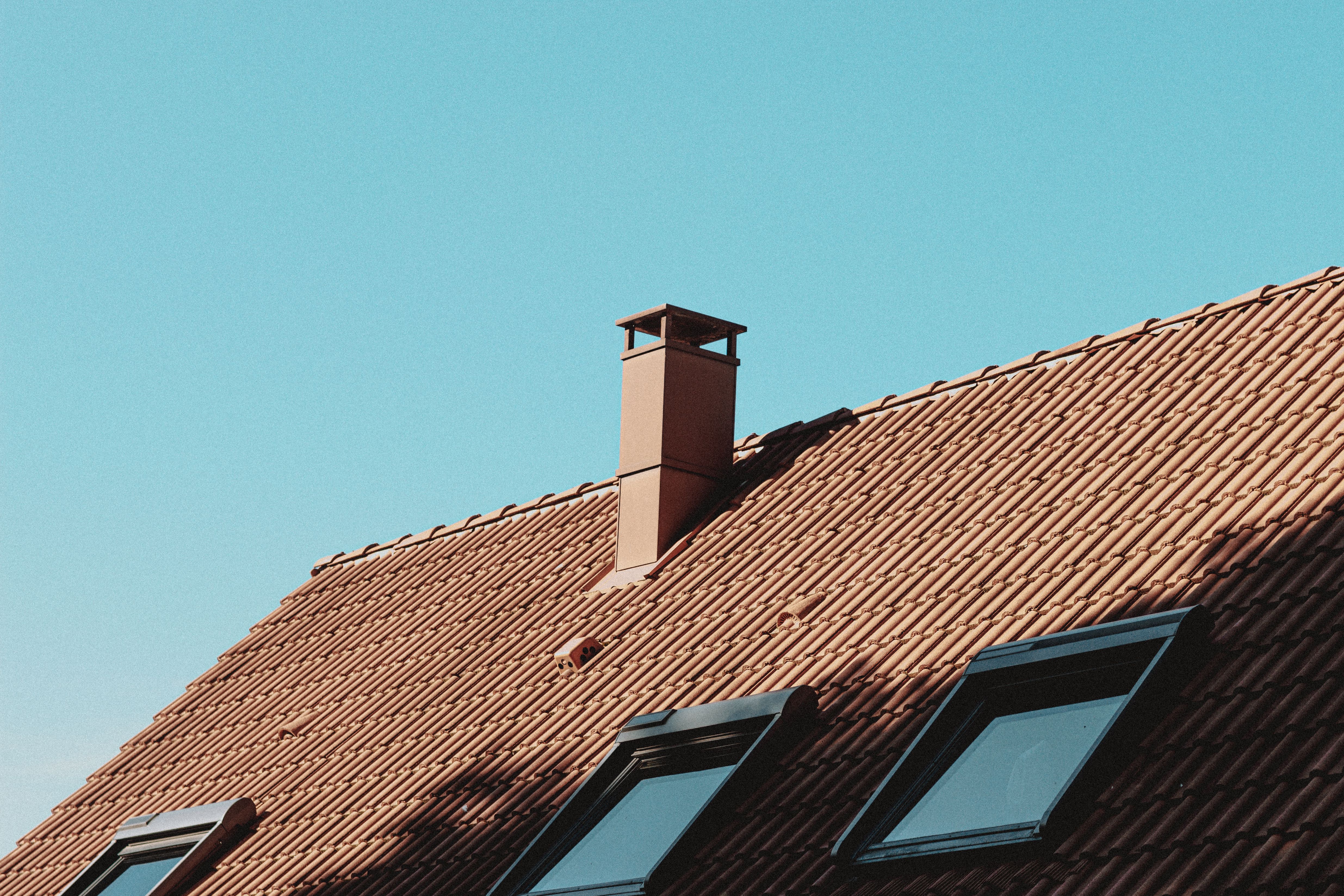
Labor is another large part of the budget. A roof with a simple design and moderate pitch is generally easier and less expensive to replace than one with steep slopes, dormers, skylights, chimneys, or areas that are hard to access. Unexpected repairs can also increase the final total. After the old roofing is removed, contractors may find damaged decking, rot, or moisture issues that must be fixed before installation can continue.
Portland’s wet climate can influence both timeline and cost. Rain delays, damp materials, and extra preparation may all affect the project. If you want a clearer picture of roof replacement cost in Portland, compare roof size, current condition, and material options before requesting estimates.
Signs It’s Time
Not every roofing problem means full replacement is necessary, but some warning signs suggest it is time to start budgeting. Persistent leaks are one of the clearest indicators. If water repeatedly shows up in the attic, on ceilings, or around walls, repairs may only be postponing a larger problem.
Shingle damage is another common sign. Missing, curling, cracked, or heavily worn shingles can sometimes be repaired in small sections, but widespread deterioration often means the roof is nearing the end of its useful life.
Sagging should never be ignored. It can signal trapped moisture, rotted decking, or even structural concerns that need prompt attention. In Portland, moss growth also deserves attention. Light moss is common, but heavy buildup can trap moisture against the roof and shorten its lifespan.
Age matters as well. Depending on material, installation quality, and maintenance history, many roofs begin needing replacement around 20 to 25 years. If your roof is approaching that range and showing visible wear, planning now can help you avoid rushed and expensive emergency decisions later.
Comparing Roofing Materials
Choosing a roofing material means balancing cost, durability, appearance, and maintenance needs. Asphalt shingles remain the most common option because they are affordable, flexible, and available in many colors and styles.
Metal roofing has a higher upfront cost, but it offers excellent longevity and performs well in wet conditions. Many homeowners also like its clean appearance and lower maintenance needs. For those planning to stay in their home for many years, the higher initial investment may be worthwhile.
Wood shakes provide a natural, attractive look, but they usually require more upkeep, especially in Portland’s damp climate. Homeowners who want a lower-maintenance roof may find wood less practical.
Composite and architectural shingles often fall in the middle. They usually offer better durability and a more polished appearance than basic asphalt without reaching the cost of premium systems. For many households, they provide a strong balance of price and performance.
The right material depends on your priorities. Think about how long you plan to stay in the home, how much maintenance you are willing to handle, and whether your goal is to minimize upfront cost or maximize value over time.
Planning Around Portland Weather
Weather directly affects both scheduling and cost for Portland roofing projects. Rain is the main challenge because roofing work requires reasonably dry conditions for safe installation and proper sealing.
Late spring through early fall is often the easiest time to schedule a replacement. Those months usually offer better working conditions, but they are also the busiest season for contractors. If you wait too long, your preferred company may already be booked.
Moisture can also create surprises after tear-off. If the decking underneath is soft, damp, or damaged, repairs must be completed before the new roof can be installed correctly. This is one reason good contractors build some flexibility into the project timeline.
Before work begins, ask how weather delays are handled. Find out whether protective coverings are used, how the home is secured if rain arrives suddenly, and how schedule updates will be shared. In Portland, flexibility and clear communication are especially important.
Saving Without Cutting Corners
You can control roofing costs without sacrificing quality if you focus on value instead of simply choosing the lowest bid. Start by collecting multiple estimates. Comparing several quotes helps you spot pricing that is unusually high or unrealistically low.
Make sure each estimate includes the same scope of work, materials, tear-off, disposal, and cleanup. Otherwise, you may be comparing prices for very different projects.
Warranty coverage matters too. A lower price may come with weaker materials, limited warranties, or less experienced installation. If problems appear later, the early savings can disappear quickly.
Ask about mid-range products that offer a strong mix of durability and affordability. In many cases, a quality mid-tier material gives the best overall return.
It is also smart to leave room in your budget for unexpected issues. Rotten wood, flashing repairs, ventilation improvements, and underlayment problems often stay hidden until the old roof is removed. A financial cushion can reduce stress once work begins.
Questions To Ask Contractors
Choosing the right contractor is just as important as choosing the roofing material. A dependable roofing company should answer questions clearly, provide written details, and communicate professionally throughout the project.